
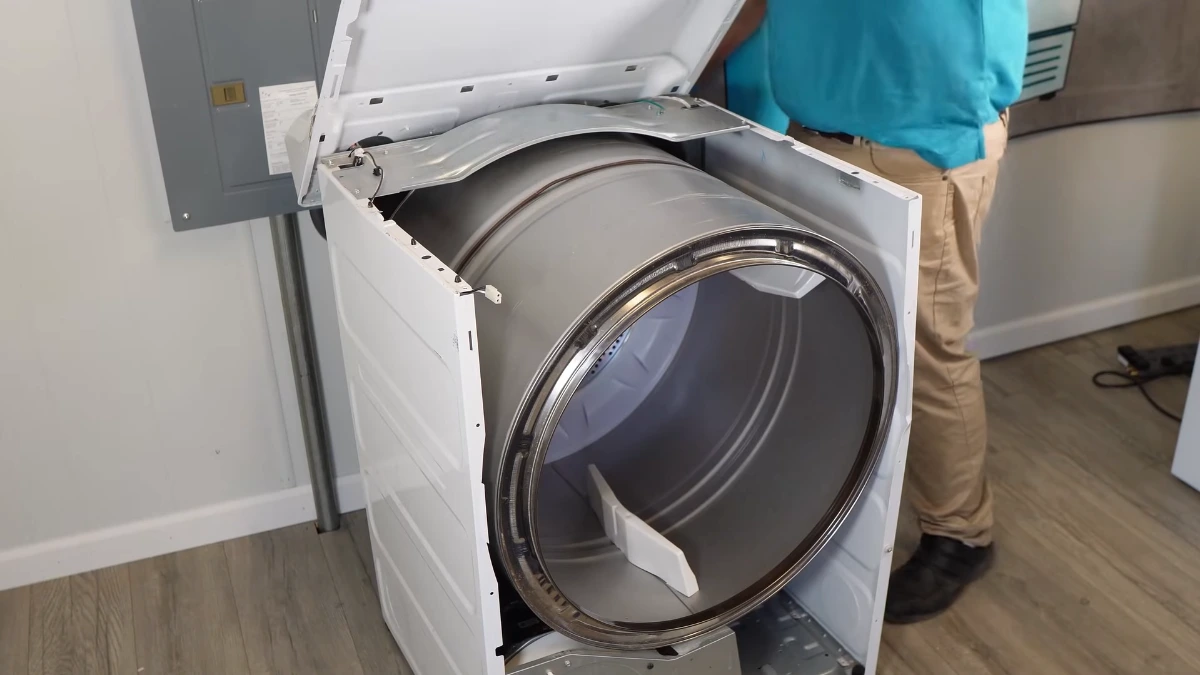
Dryer Lint Fire Hazard: Where the Real Risk Builds Up
Dryer fires are one of the more preventable home hazards, but prevention depends on knowing exactly where lint actually accumulates, not just wiping out the lint trap after each load. Here is a practical look at where the real risk builds up and how to inspect for it.
Where Lint Actually Accumulates Beyond the Trap
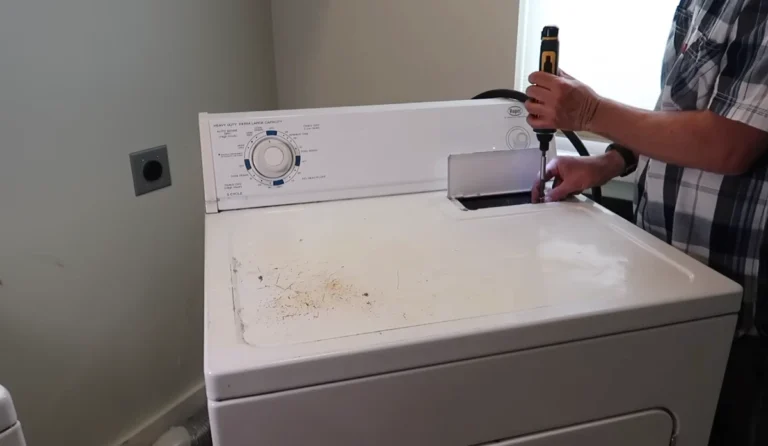
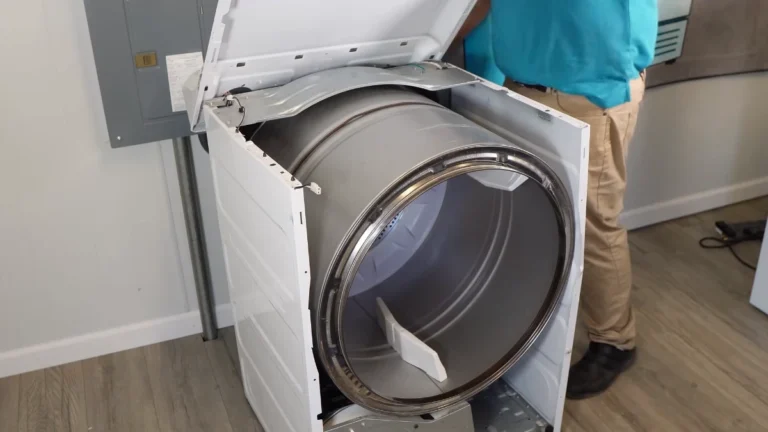
- Inside the drum housing, behind the trap opening, where lint can bypass the trap over time
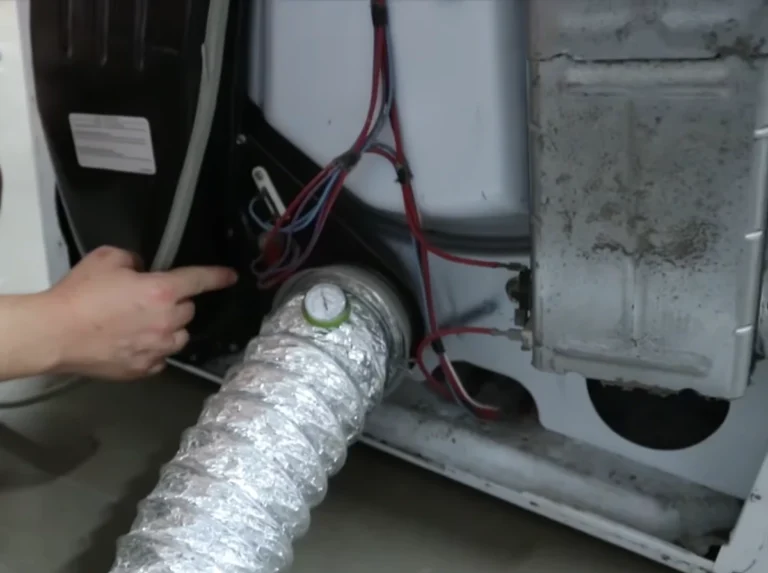
- Along the full length of the exhaust duct, especially at any bends
- At the exterior vent hood, where the flap mechanism itself can collect buildup
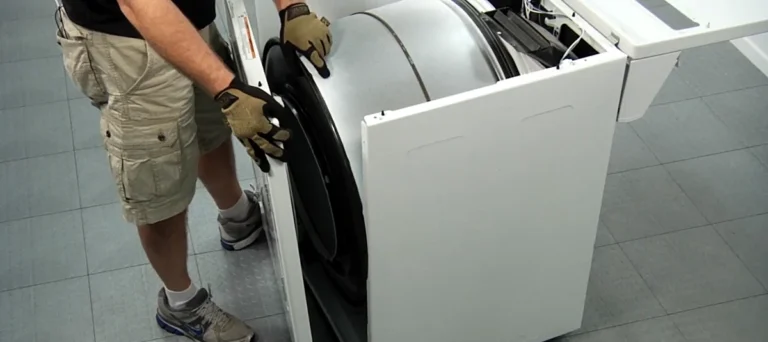
- Around the heating element and blower housing, reached only by opening the cabinet
Cleaning the trap alone addresses only the first of these four points, which is why a dryer can still be building real fire risk even in a household that cleans the trap every load.
A Coastal Factor Worth Knowing
In Ventura specifically, salt air can cause the exterior vent hood’s flap mechanism to stick, sometimes staying partly open or partly closed rather than moving freely. A stuck-closed flap traps heat and lint right at the exit point, which is a corrosion-driven risk that inland homes do not face the same way.
A Simple Visual Inspection You Can Do
- Run the dryer and check that the exterior flap opens fully and closes when the cycle ends
- Look for visible lint buildup or discoloration around the exterior vent hood
- Check behind and underneath the dryer for lint that has escaped the trap over time
- Note any burning or hot dust smell during a cycle, which warrants stopping use immediately
When a Visual Check Is Not Enough
A visual check only covers what is accessible without tools. The full interior duct run and the area around the heating element require a proper inspection to really rule out a buildup risk. See our dryer vent cleaning page for what a full professional cleaning covers.
Fire Hazard Questions
I clean the lint trap every load. Is that enough to prevent a fire risk?
It helps significantly but is not the full picture. Lint also builds up in the duct run, at the exterior vent hood, and around the heating element, none of which the trap addresses.
How often should the full vent system be checked, not just the trap?
Once a year for most Ventura households, and twice a year for homes near the coast, where salt air speeds up wear on the exterior vent hood specifically.
Areas We Serve
Serving Ventura, CA, Port Hueneme, CA, and Ojai, CA. Zip codes 93001, 93003, 93004, 93041, and 93023.
Downtown Midtown Pierpont Westside Hobson Heights East Ventura College Area Montalvo Victoria Avenue area Port Hueneme Ojai